
A lifestyle fragrance brand is defined as a company that positions scent as an extension of personal identity, wellness, and home environment, moving well beyond occasional luxury use. The industry term for this category is “lifestyle brand,” and within perfumery it describes a brand that sells a way of living as much as a product. Where traditional perfume houses focused on prestige and exclusivity, lifestyle fragrance brands focus on daily ritual, emotional resonance, and the spaces you inhabit. Consumers now curate fragrance wardrobes to match moods, settings, and times of day, preferring variety over a single signature scent. Dorianescents is one example of a brand built on this philosophy, designing premium home fragrances that serve as both sensory and decorative statements.
What is a lifestyle fragrance brand and how does it differ?
A lifestyle fragrance brand builds its entire identity around a way of living, not just a scent. Traditional perfume houses sell prestige through heritage and exclusivity. Lifestyle fragrance brands sell belonging, comfort, and self-expression through scent. The difference is not subtle. One asks you to aspire to a name; the other asks you to recognize yourself in a feeling.
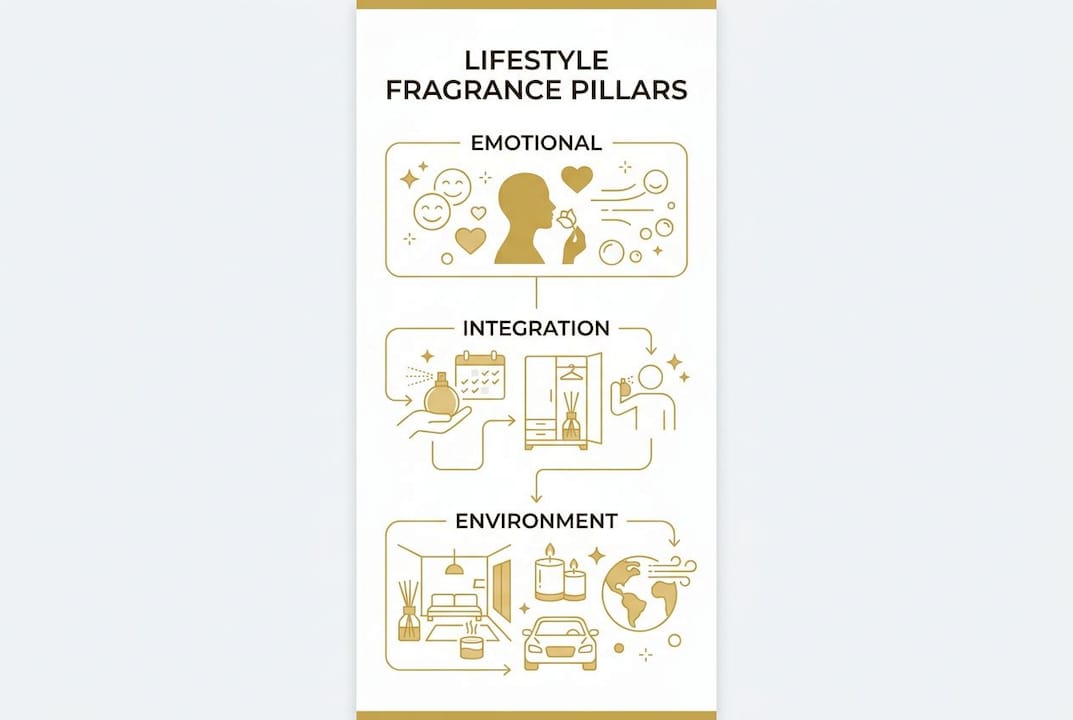
The definition of lifestyle fragrance rests on three pillars: emotional connection, daily integration, and environmental presence. A lifestyle scent is not reserved for special occasions. It shows up in your morning routine, your living room, your workspace, and your gift choices. Brands in this category design products that fit naturally into these moments rather than standing apart from them.
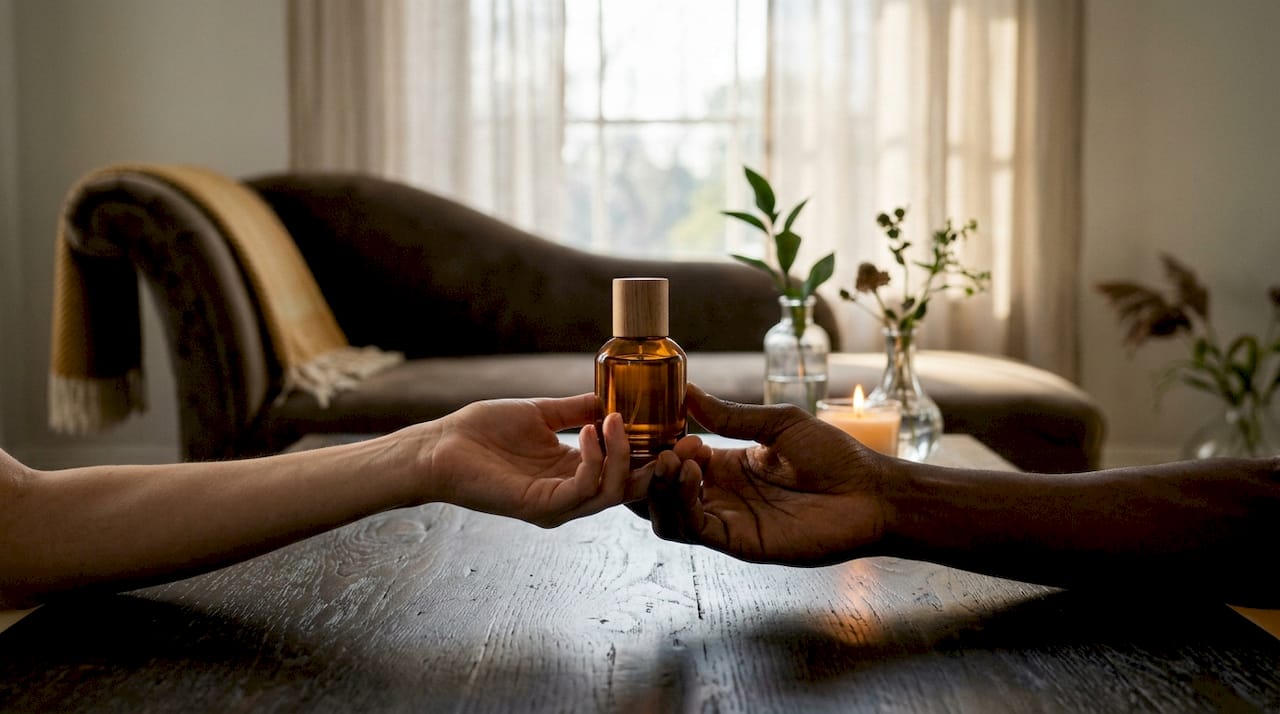
This shift matters because the fragrance market has changed structurally. Consumers now seek fragrances that provide comfort and intimacy rather than status projection. That is a meaningful reversal from the celebrity-endorsed, prestige-driven model that dominated the industry for decades. Lifestyle fragrance brands responded by centering their storytelling on values, moods, and environments rather than aspiration alone.
How do lifestyle brands build emotional connections through scent?
Emotional connection is the core product of a lifestyle fragrance brand. The scent itself is the delivery mechanism. The brand narrative is what makes it stick.
The most effective lifestyle narratives cluster around three themes:
- Wellness: Scents designed to calm, energize, or restore. Think earthy blends for grounding, citrus profiles for focus, and floral notes for emotional lift.
- Travel and place: Fragrances that evoke specific geographies, seasons, or memories. Aquatic notes suggest coastal air; warm vanilla suggests a familiar interior.
- Minimalism and intentional living: Clean, considered scent profiles that align with a pared-back aesthetic and a preference for quality over quantity.
Lifestyle narratives around wellness and travel align fragrance with consumer values and aspirations beyond traditional luxury. This is why the same brand can sell a reed diffuser and a body oil and have both feel coherent. The scent is the thread; the lifestyle is the fabric.
Digital platforms have accelerated this shift. Social media changed fragrance marketing from celebrity-oriented campaigns to community and creator-driven narratives. Consumers now discover lifestyle scents through home styling content, wellness routines, and everyday living posts rather than glossy magazine spreads.
Pro Tip: When evaluating a lifestyle fragrance brand, look at the visual world it builds around its products. If the imagery shows real spaces and real moments rather than abstract luxury, the brand is genuinely lifestyle-oriented.
What is a fragrance wardrobe and why does it matter?
The fragrance wardrobe concept is one of the clearest expressions of what lifestyle perfume brands offer. It treats scent exactly like clothing: something you rotate based on mood, occasion, and season rather than something you wear as a fixed identity marker.
Treating scents like fashion accessories meets modern consumer desires for flexible scent expression matched to mood and occasion. This approach has practical implications for how you build your collection.
- Start with anchor scents. Choose one or two fragrances that feel like your baseline. These are your everyday scents, the ones that feel most like you at rest.
- Add occasion-specific scents. A lighter, fresher profile for daytime or warm months. A warmer, denser profile for evenings or cooler seasons.
- Include a home scent layer. Reed diffusers and candles extend your personal scent identity into your living environment. They are not the same as personal fragrance, but they should feel harmonious with it.
- Rotate intentionally. Wearing the same scent daily leads to olfactory fatigue, where you stop noticing it. Rotating keeps each fragrance feeling fresh and meaningful.
- Treat gifting as an extension. Lifestyle fragrance brands often offer gift sets precisely because scent is a personal and emotional gift. A well-chosen fragrance communicates that you understand someone’s taste.
The fragrance wardrobe concept drives greater emotional connection and creates multiple purchase occasions. For brands, this is a loyalty model. For consumers, it is a more expressive and satisfying relationship with scent.
How do lifestyle fragrance brands approach design and product strategy?
Design is not decorative for lifestyle fragrance brands. It is structural. The product must look as good as it smells because it lives in your home, on your desk, or on your bathroom shelf. It is always visible.
Design-first lifestyle fragrance brands prioritize products as interior design elements, combining aesthetics, functionality, and scent performance to create statement home pieces. A reed diffuser in this context is not just a scent delivery device. It is a considered object that contributes to the visual character of a room. Dorianescents applies this principle directly, presenting its reed diffusers as both functional and decorative statements within the home.
The product range of a lifestyle fragrance brand typically spans several categories:
| Product category | Role in the brand ecosystem |
|---|---|
| Reed diffusers | Continuous ambient scent; primary home fragrance format |
| Candles | Occasion-based scent; strong visual and tactile appeal |
| Body care | Personal scent layer; extends brand into daily grooming |
| Gift sets | Emotional gifting; introduces new customers to the brand |
| Lifestyle goods | Reinforces brand world; deepens loyalty beyond fragrance |
Lifestyle brands expand beyond perfume to offer candles, body care, and lifestyle goods that create a cohesive brand world. This breadth increases emotional engagement and positions the brand as a complete lifestyle experience rather than a single product.
The vertical deepening model is equally important. Lifestyle brands enable upselling from affordable entry products to premium fragrances without discounts. A consumer might enter through a candle or a small diffuser and move toward premium reed diffusers and gift sets over time. The brand retains them at every price point.
Pro Tip: When choosing a lifestyle fragrance brand for your home, look for one that offers a consistent scent family across product types. A vanilla profile that runs through a diffuser, a candle, and a body lotion creates a layered, immersive experience that a single product cannot replicate.
How does home fragrance support wellness and intentional living?
Scent is one of the fastest routes to an emotional state. The olfactory system connects directly to the limbic brain, the region responsible for emotion and memory. Lifestyle fragrance brands build on this biology deliberately.
Fragrance integrates into personal wellness and daily rituals, supporting mood enhancement and emotional balance. A lemongrass diffuser in a workspace signals focus. An earthy blend in a bedroom signals rest. These are not accidental associations. Lifestyle brands design scent profiles with these emotional cues in mind.
The wellness dimension also shapes what consumers expect from brands:
- Ingredient transparency: Consumers want to know what is in their products. Lifestyle brands that disclose ingredients and sourcing build stronger trust.
- Sustainable packaging: Premium packaging that is also recyclable or reusable aligns with the values of consumers who practice intentional living.
- Natural and ethical sourcing: Ingredient transparency and ethical sourcing reinforce lifestyle brand authenticity and consumer loyalty, particularly among younger buyers.
Home fragrance products extend the brand experience beyond personal scent into the shared spaces of daily life. A well-scented home is not a luxury statement. It is an expression of how you want to feel in the place where you live. Dorianescents frames this explicitly, positioning its products as tools for well-being, calm, and confidence rather than decorative extras. You can read more about this approach in the guide to fragrance in daily rituals on the Dorianescents site.
Key takeaways
A lifestyle fragrance brand succeeds by integrating scent into daily identity, home design, and wellness routines, creating emotional loyalty that a single luxury product cannot achieve.
| Point | Details |
|---|---|
| Definition of lifestyle fragrance | These brands position scent as part of daily identity and environment, not occasional luxury. |
| Emotional storytelling | Narratives around wellness, travel, and minimalism connect scent to consumer values. |
| Fragrance wardrobe model | Rotating multiple scents by mood and occasion deepens engagement and drives repeat purchase. |
| Design as product strategy | Packaging and aesthetics are structural, not decorative, making products work as home design elements. |
| Wellness and transparency | Ingredient honesty and sustainable sourcing are now baseline expectations for lifestyle fragrance buyers. |
Why scent is the most underrated lifestyle decision you make
Most people treat fragrance as an afterthought. They buy a perfume when theirs runs out, or they pick up a candle as a last-minute gift. That approach misses what scent actually does. It shapes how you feel in a space, how you remember a moment, and how others experience your presence.
The cultural shift toward intentional living has made this clearer. Consumers who think carefully about what they eat, how they design their homes, and what brands they support are applying the same logic to scent. They are asking: does this fragrance reflect who I am and how I want to live? That is a lifestyle question, not a beauty question.
What I find most compelling about the lifestyle fragrance category is the design dimension. A reed diffuser that looks like a considered object, placed in a room with intention, does something a spray bottle cannot. It becomes part of the room. It signals taste. It creates a consistent sensory environment that affects everyone who enters. That is a genuinely powerful tool for how you shape your daily experience.
My practical advice: stop thinking about fragrance as a single signature and start thinking about it as a system. A home scent, a personal scent for day, and one for evening gives you a complete sensory wardrobe. Each one does a different job. Together, they create a coherent and intentional version of how you want to live.
— Steel
Dorianescents: lifestyle fragrance for the South African home
Dorianescents was built on the premise that home fragrance should be both beautiful and deliberate. The brand’s premium reed diffusers carry scent profiles including vanilla, lemongrass, aquatic, floral, and earthy blends, each designed to shift the atmosphere of a room with intention.
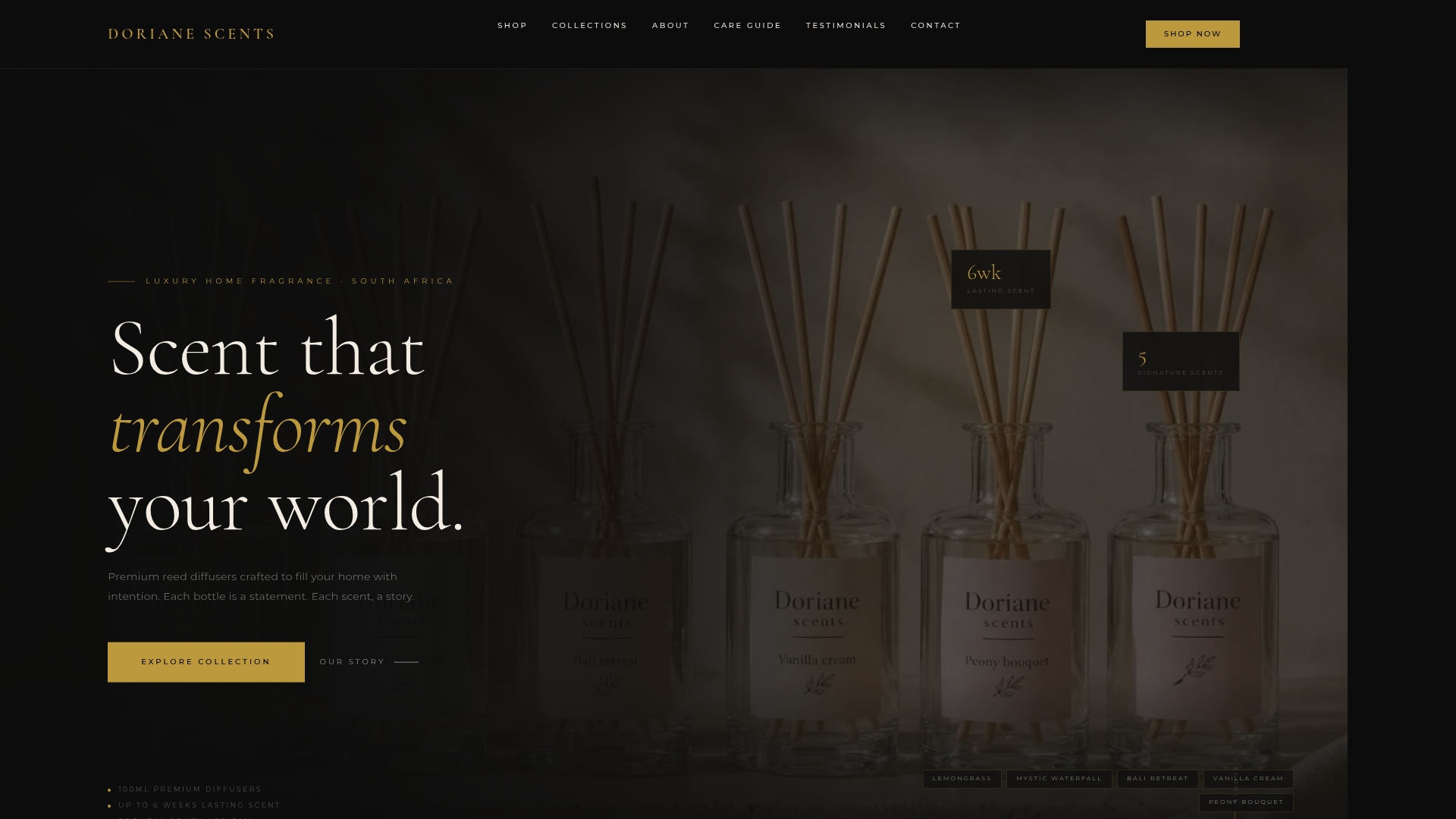
Every product is handcrafted and presented in premium packaging, making it as much a design object as a scent delivery system. Gift sets and corporate gifting options extend the brand into meaningful occasions. If you are ready to build a home scent environment that reflects how you actually want to live, the Dorianescents collection is a strong starting point. For readers working within a budget, the affordable luxury scenting guide offers a practical entry into the lifestyle fragrance category without compromise on quality.
FAQ
What makes a fragrance brand a “lifestyle” brand?
A lifestyle fragrance brand positions scent as part of daily identity and home environment rather than a luxury reserved for special occasions. It builds narratives around wellness, minimalism, or travel and offers products that integrate into everyday routines.
What are lifestyle fragrance examples in the home?
Reed diffusers, scented candles, and body care products from brands that design around a consistent scent theme are the clearest lifestyle fragrance examples. These products work together to create a cohesive sensory environment across personal and home use.
How do I choose a lifestyle fragrance for my home?
Choose a scent profile that matches the mood you want in each room, such as earthy or aquatic notes for calm spaces and citrus or lemongrass for active areas. Look for brands that offer consistent scent families across product formats for a layered effect.
What is the difference between a lifestyle perfume brand and a luxury perfume house?
A luxury perfume house sells prestige and heritage, often through exclusivity and high price points. A lifestyle perfume brand sells emotional connection and daily integration, prioritizing how scent fits into your life over the status it confers.
Why do lifestyle fragrance brands emphasize packaging and design?
Home fragrance products live in visible spaces, so packaging functions as interior design. Design-led fragrance products become statement pieces that enhance home ambiance while delivering their scent function.