
Fragrance is defined as a deliberate design layer in interior spaces, working alongside lighting, color, and texture to shape mood and atmosphere. The practice known professionally as scentscaping treats smell as a design element equal to any visual component in a room. The role of fragrance in room design goes far beyond masking odors. Consumer research shows that intentional ambient scenting can increase perceived cleanliness by up to 80%. That figure tells you something important: scent does not just smell good, it changes how people read a space entirely.
How does fragrance influence mood and atmosphere in different rooms?
Fragrance shapes emotional experience through a direct biological pathway. The olfactory system connects to the limbic system, which governs memory, emotion, and stress response. This is why a single scent can shift how a room feels within seconds of entering it.
Aromas linked to memory can reduce stress markers and promote deeper breathing. That makes fragrance genuinely functional for wellbeing, not just decorative. A bedroom that smells of calming florals and cedarwood signals rest to the nervous system before you even pull back the covers.
Different rooms call for different scent families:
- Bedrooms respond best to calming florals and woody notes. Lavender, jasmine, and sandalwood slow the mind and ease the body toward sleep.
- Living rooms benefit from warm base notes like amber and sandalwood, which create a sense of comfort and welcome.
- Kitchens work well with citrus and herbaceous notes. Lemon, basil, and lemongrass feel clean and energizing without competing with food aromas.
- Home offices gain focus from green or aquatic scents, which keep the mind alert without overstimulating.
“Familiar fragrances calm the body by reducing inflammation and promoting deep breathing, making scent one of the few design tools that works on a physiological level, not just a psychological one.”
The practical takeaway is this: match the scent family to the function of the room, not just to your personal preference. A scent you love in a candle shop may feel overwhelming in a small study.

What are effective methods for integrating fragrance into interior design?
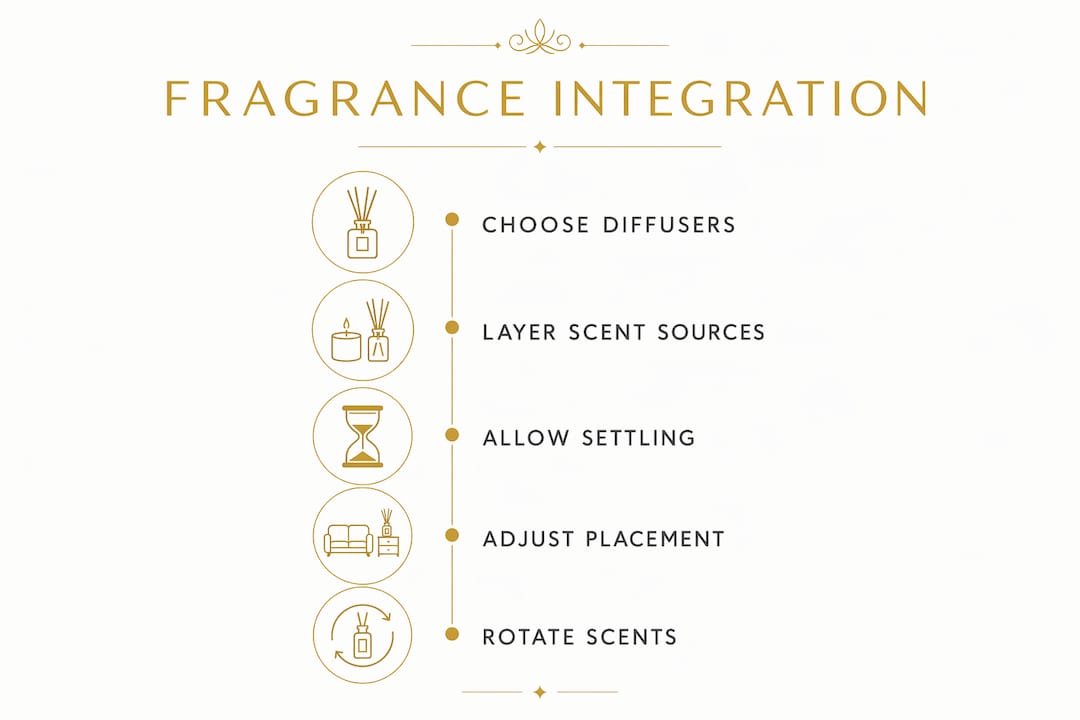
Choosing the right delivery method is as important as choosing the right scent. Each diffusion format has a specific use case, and using the wrong one in the wrong space produces weak or overpowering results.
Industry standards provide clear guidance on sizing:
- Reed diffusers suit spaces of 50–150 sq ft. They release scent passively and continuously, making them ideal for bedrooms, bathrooms, and entryways. Dorianescents handcrafted reed diffusers are designed specifically for this kind of consistent, low-maintenance diffusion.
- Electric diffusers cover 150–500+ sq ft and allow intensity control. They suit open-plan living areas and home offices where scent needs to travel further.
- Candles carry a fragrance load of 6–10% by weight. They work best as accent pieces in medium-sized rooms and contribute both scent and visual warmth.
- Sprays and sachets serve as quick-refresh tools for fabrics, wardrobes, and small enclosed spaces. They are not substitutes for continuous diffusion but work well as complements.
Layering diffusion methods creates richer, more sophisticated scent profiles. A reed diffuser paired with a candle in the same room builds depth that a single source cannot achieve. The diffuser provides the constant base note while the candle adds warmth and intensity during the hours you use the room most.
Pro Tip: Place a new diffuser or candle in a room and leave it for 24–48 hours before deciding on its final position. Environmental factors like airflow, sunlight, and room temperature all alter how a scent performs. What smells balanced on day one may feel too strong or too faint by day two.
How do you create a cohesive scent architecture across your home?
Scent architecture is the professional term for designing a fragrance plan that flows logically through a home, room by room. It borrows directly from visual design principles: just as a color palette creates visual continuity, a scent palette creates olfactory continuity.
The foundation of scent architecture is an anchor scent. This is a single fragrance, or a consistent base note, that runs through shared spaces like hallways and living areas. Ambient scent architecture layers this anchor with dominant zonal scents tailored to each room’s function. The anchor holds the home together; the zonal scents give each room its own character.
Scent zoning and bridging
Scent zoning means assigning a specific fragrance family to each room based on its purpose. Scent bridging is the technique that connects adjacent zones. Designers use shared base notes between neighboring rooms to prevent olfactory shock when moving from one space to another. A living room with amber and sandalwood transitions naturally into a bedroom with sandalwood and jasmine because both share the same woody base.
Matching scent to décor style
Matching scent families to visual design themes enhances multisensory harmony and perceived material quality. The table below shows how scent families align with common décor styles:
| Décor style | Recommended scent family | Example notes |
|---|---|---|
| Minimalist | Citrus, green, aquatic | Lemon, cucumber, sea salt |
| Warm contemporary | Woody, amber | Sandalwood, amber, vanilla |
| Botanical or natural | Floral, earthy | Rose, jasmine, vetiver |
| Industrial | Leather, smoky, spice | Leather, cedar, black pepper |
| Coastal | Aquatic, fresh | Sea breeze, driftwood, linen |
Limit your home to three competing fragrance zones at most. More than three creates sensory confusion rather than harmony.
Pro Tip: Rotate your scent palette with the seasons. Citrus and aquatic notes suit spring and summer. Amber, vanilla, and woody blends feel right in autumn and winter. Seasonal rotation keeps your home feeling intentional and alive rather than static.
What mistakes should you avoid when using fragrance in home design?
The most common mistake is treating fragrance as an afterthought rather than a design decision. Spraying air freshener over stale odors does not create ambiance. It creates conflict. Remove the source of any unpleasant smell before introducing a designed scent.
Common pitfalls to avoid:
- Overpowering intensity. A scent that hits you the moment you open the front door is too strong. Fragrance should be noticed after a few seconds, not immediately.
- Scent clashes. Placing a floral diffuser next to a spiced candle in the same room creates a muddled, unpleasant result. Stick to one dominant scent per zone.
- Ignoring fabrics. Upholstery, curtains, and rugs absorb and hold odors. Freshening fabrics with a linen spray that matches your room’s scent theme reinforces the overall effect.
- Neglecting vessel aesthetics. How fragrance vessels affect aesthetics matters as much as the scent itself. A beautiful reed diffuser bottle on a shelf contributes to the visual design of the room. A plastic bottle does the opposite.
Pro Tip: How fragrance supports colour psychology is subtle but real. Warm amber and vanilla scents reinforce the emotional warmth of terracotta and ochre palettes. Cool aquatic and green scents complement grey, white, and blue interiors. Align your scent temperature with your color temperature for a space that feels fully considered.
Fragrance also supports mental wellness in ways that compound over time. Familiar fragrances reduce inflammation and promote deep breathing, which means a well-scented home actively supports your daily recovery and rest.
Key takeaways
Fragrance is a functional design tool that shapes mood, supports wellbeing, and creates visual and sensory cohesion across a home when applied with intention and method.
| Point | Details |
|---|---|
| Scent shapes perception | Intentional scenting can increase perceived cleanliness by up to 80%, changing how a room reads entirely. |
| Match scent to room function | Use calming florals in bedrooms, citrus in kitchens, and warm woody notes in living rooms for best results. |
| Size your diffusion method | Reed diffusers suit 50–150 sq ft; electric diffusers cover 150–500+ sq ft; candles work as accent layers. |
| Build a scent architecture | Use an anchor scent through shared spaces and bridge adjacent rooms with shared base notes. |
| Align scent with décor style | Matching scent families to visual themes, such as citrus with minimalist palettes, deepens multisensory harmony. |
Why scent is the design element most homeowners underestimate
I have walked into hundreds of beautifully designed rooms that felt oddly flat. The lighting was right. The furniture was considered. The color palette was deliberate. But something was missing, and it was almost always scent.
The rooms that stay with you, the ones you remember long after you leave, almost always have a fragrance identity. Not a strong one. A subtle, consistent one that you cannot quite name but absolutely feel. That is the power of a well-placed reed diffuser with the right base note, or a candle that reinforces the warmth of a room’s color palette.
What I have found through working with scent as a design element is that subtlety is everything. The goal is never to make a room smell like a fragrance store. The goal is to make a room feel like itself, only more so. A coastal living room with a faint aquatic note feels more coastal. A warm study with amber and cedar feels more like a sanctuary.
The homeowners who get this right are the ones who treat scent as a design strategy, not a finishing touch. They choose their anchor scent first, build their zones around it, and rotate seasonally. Their homes feel alive in every season because the sensory experience shifts with intention.
Start with one room. Choose one scent family that matches both the function and the visual style of the space. Test it for 48 hours. Then build outward from there.
— Steel
Dorianescents: a scent collection built for intentional room design
Dorianescents was built on the belief that fragrance belongs in the same conversation as furniture, lighting, and color when designing a home.
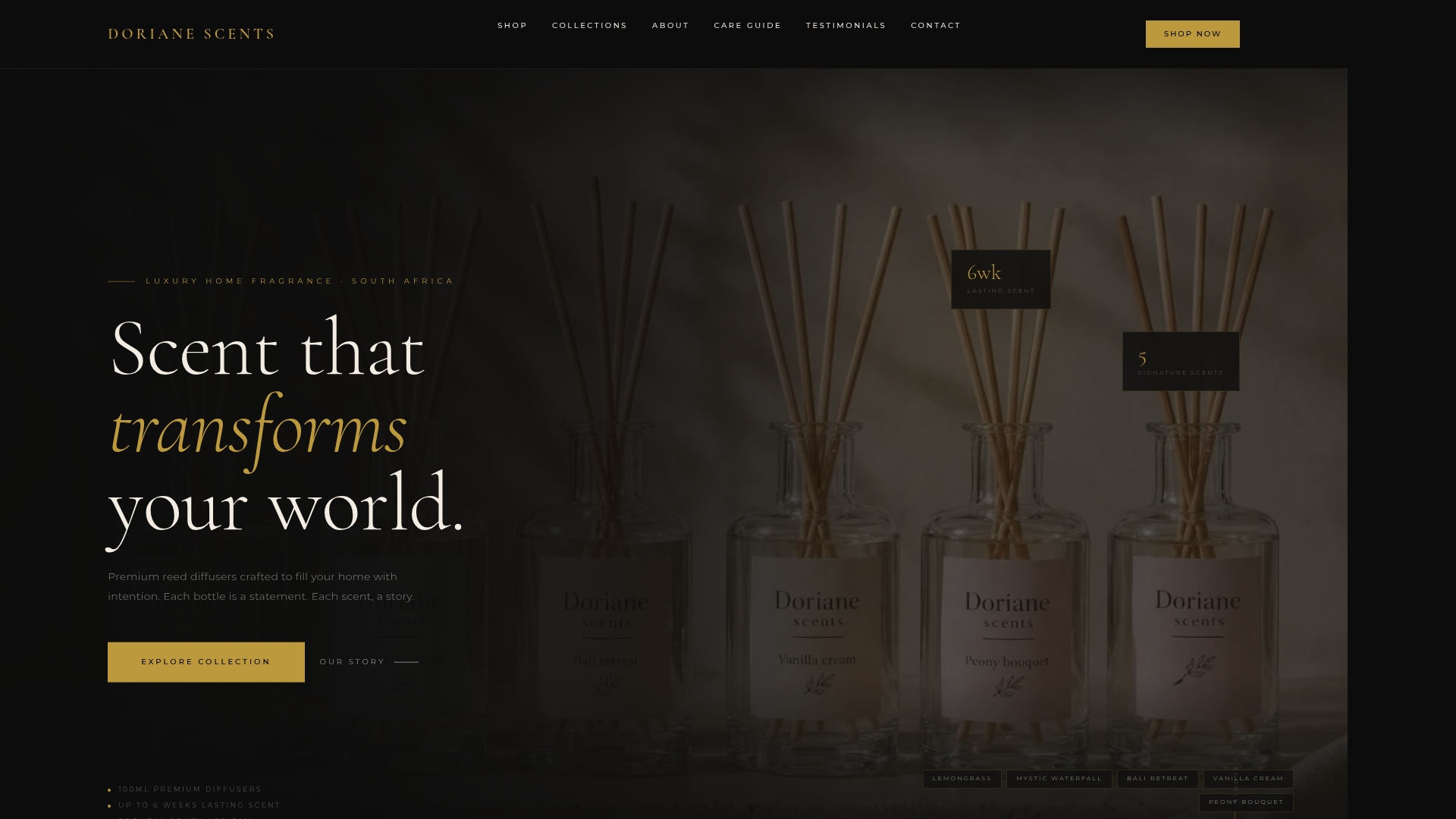
The Dorianescents curated fragrance collections include handcrafted reed diffusers, candles, and complementary scent products designed for specific room functions and décor styles. Scent profiles range from aquatic and lemongrass for fresh, airy spaces to vanilla and earthy blends for warm, grounded interiors. Each product is designed to function as both a scent source and a visual design statement. Whether you are building a full scent architecture for your home or starting with a single room, Dorianescents gives you the tools to do it with precision and elegance. Explore the full range at Dorianescents and find the scent that belongs in your space.
FAQ
What is the role of fragrance in room design?
Fragrance acts as a deliberate sensory layer in room design, shaping mood, atmosphere, and perceived cleanliness alongside lighting and color. Scentscaping treats smell as a design element equal to any visual component in a space.
How does fragrance affect mood in a home?
Scent connects directly to the limbic system, which governs emotion and memory. Calming florals and woody notes reduce stress in bedrooms, while citrus and herbaceous notes energize kitchens and workspaces.
What is scent architecture?
Scent architecture is the practice of designing a fragrance plan that flows logically through a home using an anchor scent in shared spaces and distinct zonal scents in individual rooms, connected by shared base notes.
How do I choose the right diffuser for my room size?
Reed diffusers suit rooms of 50–150 sq ft, while electric diffusers cover 150–500+ sq ft. Candles with a 6–10% fragrance load work best as accent layers in medium-sized rooms rather than as primary diffusion sources.
How many fragrances can I use in my home at once?
Limit your home to three competing fragrance zones to avoid sensory confusion. Use scent bridging, sharing a common base note between adjacent rooms, to maintain olfactory flow and harmony throughout the space.