
A fragrance timeline for multi-day events is a structured schedule that coordinates scent application across time, space, and event stages to shape guest experience and ambiance. Think of it as a scent schedule for events, the olfactory equivalent of a lighting or sound plan. Without it, fragrance becomes an afterthought rather than a tool. With it, every zone of your venue tells a consistent sensory story from the first arrival to the final farewell.
The core principle behind multi-day fragrance planning is simple: align fragrance strategy to the guest journey map rather than the number of rooms. A three-day corporate summit and a weekend wedding share the same challenge. Each requires scent zones calibrated to emotional objectives, timing that accounts for crowd density, and layering techniques that prevent olfactory fatigue. Dorianescents’ curated fragrance families, from lemongrass to earthy blends, are built precisely for this kind of intentional, zone-specific deployment.
How to map guest journeys and create scent zones for a fragrance timeline
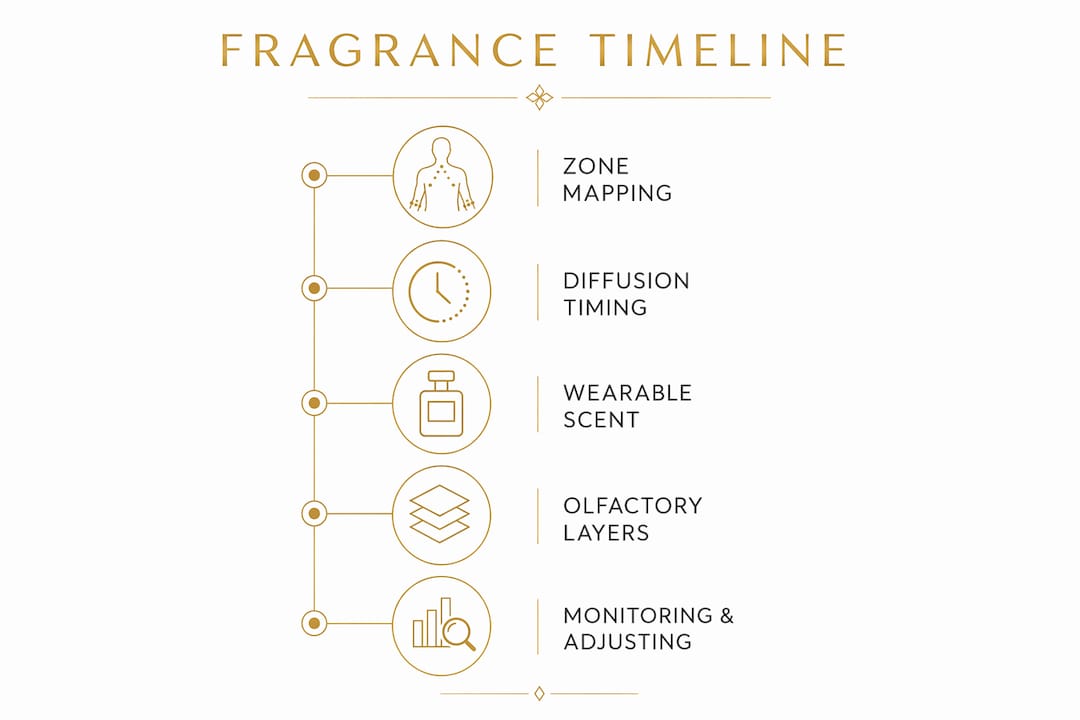
Guest journey mapping is the first step in any scent schedule for events. You are not decorating rooms. You are engineering emotional transitions. A guest arriving at a conference feels different from a guest moving into a breakout session or settling into a VIP lounge. Each stage deserves its own olfactive brief.
Complex events may use 4–6 distinct scent zones based on guest flow rather than room count. That distinction matters. A single large ballroom used for arrivals, dining, and dancing is three zones in one space. The number of zones you need depends on how many emotional shifts your event contains.
Typical zones and their scent objectives include:
- Arrival zone: Fresh, light, and welcoming. Citrus and aquatic profiles signal energy and openness. This is where first impressions form.
- VIP or networking zone: Warm, sophisticated, and memorable. Vanilla or woody blends create a sense of exclusivity and comfort.
- Calm or breakout zone: Soft, grounding, and restorative. Lavender or earthy blends reduce stimulation between high-activity periods.
- Activity or presentation zone: Neutral to light. Heavy fragrance competes with focus. Keep intensity low and avoid complex accords.
- Exit or farewell zone: A subtle echo of the arrival scent reinforces memory and emotional closure.
Each zone requires its own olfactive brief aligned with its purpose and emotional objective. Uniform scenting across a venue flattens the guest experience and wastes the full potential of scent design.
Olfactory boundaries between zones must be engineered, not assumed. Diffusion calibration and airflow control prevent scents from bleeding into adjacent spaces and creating jarring transitions. Pre-event venue walks are non-negotiable. Walk the space, identify airflow patterns, and adjust diffuser placement before guests arrive.
Pro Tip: Map your zones on a physical floor plan and assign a fragrance family and intensity level to each. This document becomes your master scent brief and keeps all vendors and staff aligned.
How do you schedule diffusion and wearable scent for each event day?
Timing is where most event scenting plans fail. Planners choose the right fragrances but deploy them at the wrong moment. The result is either an overwhelming first impression or a scent that has faded before guests notice it.
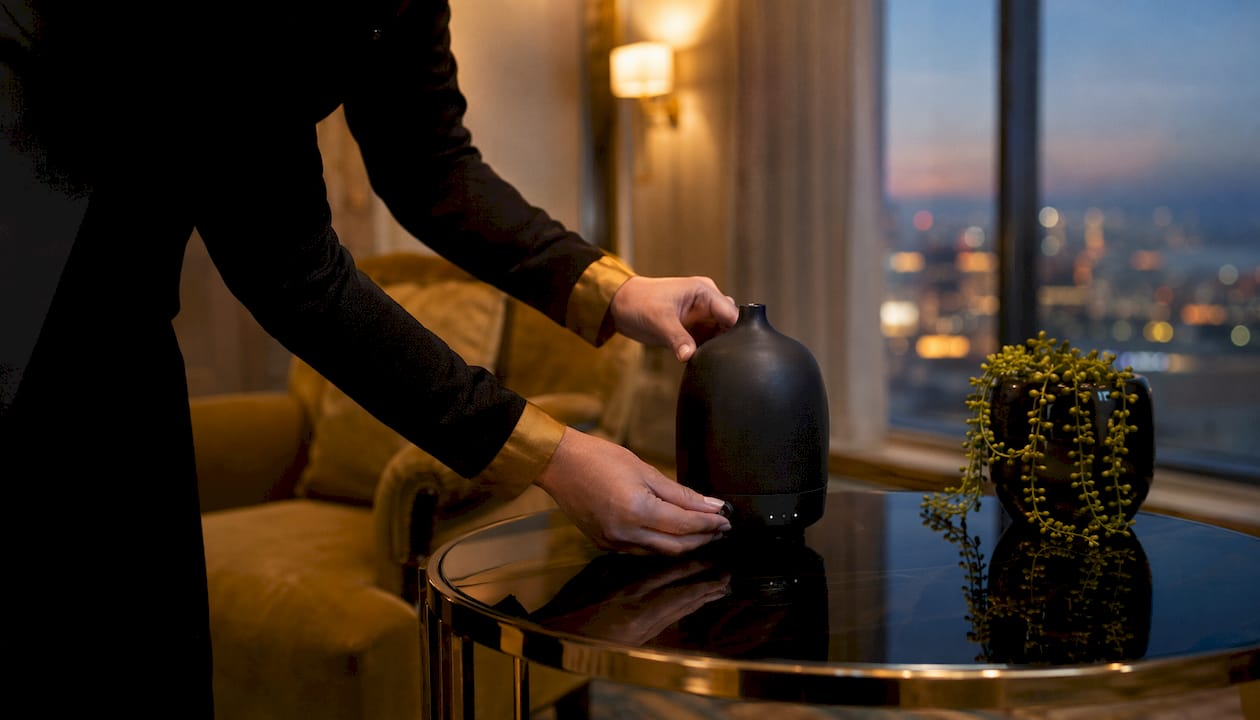
Diffusers should start 20–40 minutes before guest arrival to optimize scent dispersion throughout the space. Starting too late means the fragrance has not fully developed. Starting too early in a sealed room risks over-saturation before the doors open.
A practical day-by-day scent schedule for events follows this sequence:
- Pre-arrival (T minus 40 minutes): Activate diffusers in arrival and VIP zones at medium intensity. Allow the scent to settle and distribute evenly.
- Guest arrival (first 60–90 minutes): Maintain arrival zone diffusion. Short-term events benefit from scenting during arrival periods only to frame the experience without causing fatigue.
- High-density periods (dining, keynotes): Reduce diffusion intensity. Successful scenting plans for scent fading during high-density periods to avoid overwhelming guests, then allow scent to resurge during social times.
- Transition periods (breaks, networking): Increase calm zone diffusion. This is when guests are most receptive to ambient scent.
- End of day: Power down diffusers 30 minutes before the final session ends. This signals a natural close and prevents scent fatigue carrying into the next day.
- Day two reset: Ventilate all zones overnight. Reintroduce fragrances fresh each morning to maintain the same first-impression quality.
Wearable fragrance follows a parallel schedule. Apply 30–45 minutes before guest interaction for best projection. For staff or hosts wearing scent as part of the event identity, layered wearable fragrances with diffusion create a consistent scent evolution that guests perceive as intentional and polished.
Pro Tip: For outdoor multi-day events, assign a technician to monitor and adjust scent levels in real-time as wind, weather, and crowd density shift throughout the day. What works at 9 AM may be invisible by 2 PM.
What fragrance families work best for event scent curation?
Fragrance family selection is where event scent curation becomes both science and art. The goal is to match the emotional objective of each zone with a scent profile that supports it, not just one that smells pleasant in isolation.
| Zone | Recommended fragrance family | Emotional objective |
|---|---|---|
| Arrival | Citrus, aquatic | Energy, welcome, freshness |
| VIP lounge | Vanilla, woody, amber | Warmth, exclusivity, comfort |
| Calm/breakout | Lavender, earthy, green | Restoration, focus, calm |
| Activity/presentation | Light floral, neutral | Clarity, minimal distraction |
| Exit/farewell | Echo of arrival scent | Memory, emotional closure |
Fragrance layering techniques are the mechanism that makes a multi-day event feel like a single, evolving sensory experience rather than a series of disconnected rooms. Layering means introducing a base note that persists across all zones, then adding zone-specific top notes that differentiate each space. A shared earthy base across the venue, for example, creates cohesion. Lemongrass in arrivals and vanilla in the VIP lounge then give each zone its own identity without clashing.
Seasonal and venue considerations shape every selection. An outdoor summer event in South Africa calls for lighter, fresher profiles. An indoor winter gala supports richer, warmer accords that feel appropriate to the environment. Forcing a heavy oriental fragrance into a sun-drenched atrium creates dissonance, not ambiance.
Olfactory fatigue is the silent enemy of event scent curation. The human nose adapts to a constant scent within 20 minutes. Allow scent to pulse and fade intentionally during event phases to manage fatigue and maximize guest engagement. A scent that disappears and returns feels fresh again. A scent that never stops becomes invisible.
The role of fragrance in room design reinforces this point. Scent is not a background element. It is a design layer that interacts with lighting, acoustics, and spatial layout to create a complete sensory environment.
How do you implement a fragrance policy for multi-day events?
Scenting is an operational tool, not just a creative one. Scent programs should include allergy signage, opt-out routes, and trained staff for incident logging. Without these elements, even the most thoughtfully designed fragrance plan becomes a liability.
A practical fragrance policy for multi-day events covers these areas:
- Fragrance-free zones: Designate at least one clearly marked area free of ambient scent. Medical registration areas, nursing rooms, and quiet rooms are the most common candidates.
- Signage: Post clear notices at zone entrances indicating that fragrance is in use. Guests with sensitivities can then make informed choices about their movement through the venue.
- Opt-out routes: Map at least one path through the venue that avoids all scented zones. This is a basic accessibility requirement for large events.
- Staff training: Brief all front-of-house staff on the scent plan, zone locations, and how to respond to guest complaints or medical concerns. Assign one person per zone as the scent point of contact.
- Incident logging: Keep a written log of any guest reactions, complaints, or requests for accommodation. This data improves future events and protects the organizer.
Establish a scent policy and define fragrance-free zones at least 2 months prior to event day, and select scent families about 4 weeks before to allow in-situ testing. Rushed scent decisions made the week before an event skip the testing phase entirely. That is when problems appear on the day.
“Scenting is more than ambiance; it is an operational lever for inclusivity and guest comfort when implemented with care. A fragrance plan without a policy is an incomplete plan.” — Scented safe spaces
Perform two in-situ tests before the event: one on a quiet day to set a baseline, and one during a preview or rehearsal to test crowd and ventilation effects. Keep detailed records of both. Testing improves fragrance reproducibility and gives you the data to make confident adjustments on event day.
Key takeaways
A structured fragrance timeline for multi-day events requires zone mapping, timed diffusion, layered scent families, and a clear policy to deliver consistent guest experience across every day of the event.
| Point | Details |
|---|---|
| Map zones by journey, not rooms | Assign each emotional stage its own olfactive brief, targeting 4–6 zones for complex events. |
| Start diffusion 20–40 minutes early | Allow scent to fully disperse before guests arrive to avoid both under-scenting and saturation. |
| Layer base and zone-specific notes | Use a shared base fragrance for cohesion, then add zone-specific top notes for differentiation. |
| Pulse and fade intentionally | Reduce intensity during high-density periods and allow resurgence during social transitions. |
| Build policy before the event | Define fragrance-free zones, signage, and staff roles at least 2 months before event day. |
What I have learned from planning fragrance timelines
The biggest mistake I see event planners make is treating fragrance as a finishing touch. They finalize the catering, the AV setup, and the floral arrangements, then ask about scent two weeks out. By that point, there is no time for in-situ testing, no time for staff briefing, and no time to source the right fragrance families for each zone. The result is a single reed diffuser placed near the entrance and called a scent strategy.
The planners who get this right start with the guest journey map and work backward. They ask: what do I want guests to feel when they walk in? What should the VIP lounge communicate? How do I want guests to feel when they leave? Those answers drive every fragrance decision that follows.
Guest feedback is the most underused data source in event scenting. A simple post-event survey question, “How would you describe the atmosphere of the event?”, captures scent perception without guests even knowing it. Words like “fresh,” “warm,” or “heavy” tell you exactly how your fragrance plan landed. Collect that data and use it to refine the next event.
The fragrance intensity guide for large spaces is the reference I return to most often when calibrating diffusion for unfamiliar venues. Getting intensity right in a 500-seat ballroom is a different challenge from a boutique gallery, and the principles do not transfer automatically.
Early vendor collaboration is the other factor that separates good scent plans from great ones. Bring your fragrance supplier into the planning process at the same time you brief your florist. They can advise on scent compatibility, diffusion technology suited to your venue size, and seasonal availability of specific profiles.
— Steel
Dorianescents’ fragrance solutions for your next event
Planning a multi-day event and building a scent schedule from scratch takes time, the right products, and a clear understanding of how fragrance behaves across large, varied spaces.
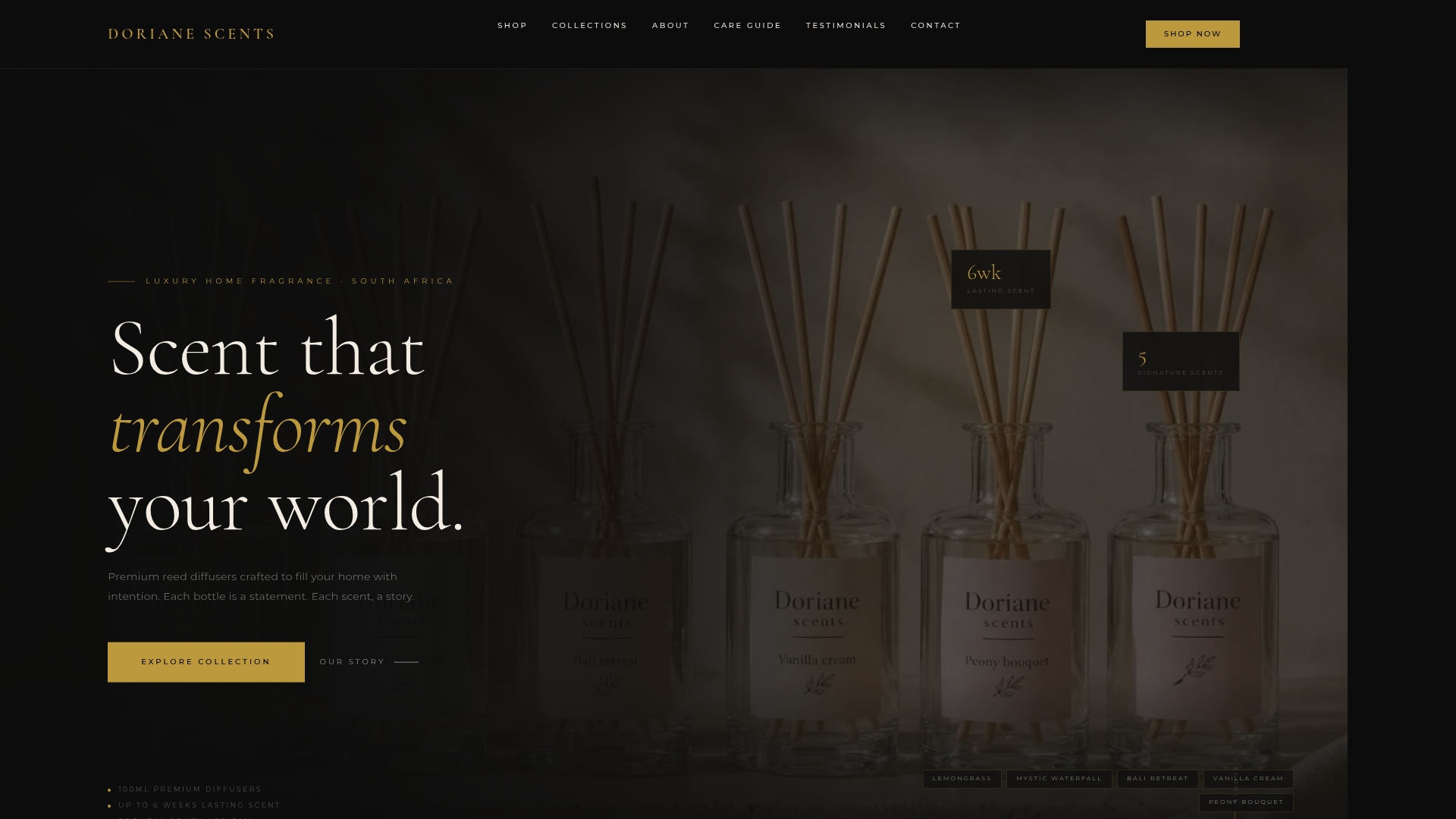
Dorianescents offers curated fragrance families, including vanilla, lemongrass, aquatic, floral, and earthy blends, designed for intentional, zone-specific deployment. Each product is handcrafted for consistent diffusion and long-lasting presence, making them well-suited to the kind of phased, multi-zone scenting this guide describes. The affordable luxury scenting guide on the Dorianescents website gives event planners a practical starting point for selecting and budgeting fragrance across multiple zones. For a broader look at the full product range and corporate gifting options, visit Dorianescents directly.
FAQ
What is a fragrance timeline for multi-day events?
A fragrance timeline for multi-day events is a structured schedule that coordinates when, where, and at what intensity scent is deployed across event zones and days. It aligns fragrance application with guest journey stages to shape ambiance and prevent olfactory fatigue.
How many scent zones does a multi-day event need?
Complex events typically use 4–6 distinct scent zones based on guest flow and emotional objectives, not room count. Each zone requires its own fragrance family and intensity level matched to its purpose.
When should diffusers be activated before guests arrive?
Diffusers should start 20–40 minutes before guest arrival to allow full scent dispersion throughout the space. Starting too late results in an underdeveloped fragrance; starting too early in a sealed room risks over-saturation.
How do you prevent olfactory fatigue at multi-day events?
Allow scent to pulse and fade intentionally during high-density periods like dining or keynote sessions, then reintroduce it during social transitions. Ventilating all zones overnight between event days also resets the olfactory baseline for guests.
When should fragrance-free zones be established for an event?
Fragrance-free zones and the overall scent policy should be defined at least 2 months before event day. Scent families should be selected approximately 4 weeks out to allow time for in-situ testing and staff training.