
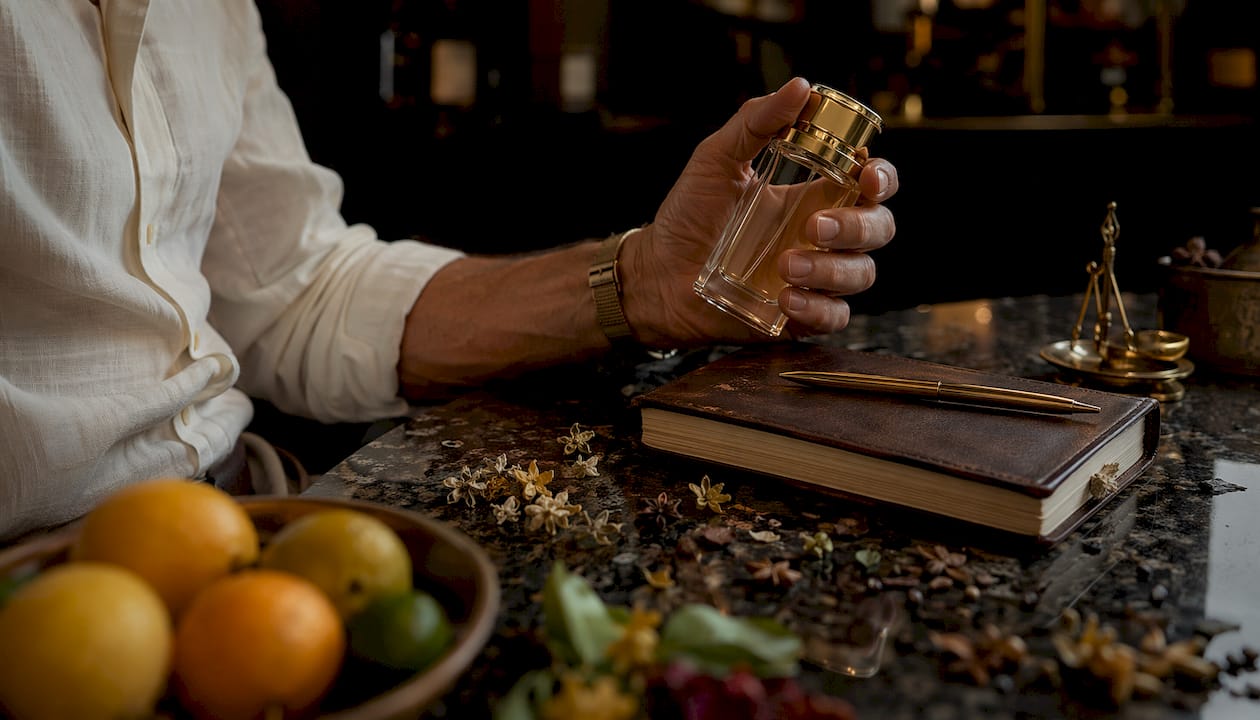
A scent journey is defined as an intentional sensory experience that uses fragrance as an invisible passport to evoke memories, shift moods, and transport the mind to another time or place. The industry term for this practice is “olfactory experience design,” though “scent journey” captures its emotional dimension more precisely. Unlike passively noticing a smell, a scent journey is deliberate. You choose a fragrance, engage with it fully, and let it do what no other sense can: reach your emotional brain in under a second. Dorianescents builds every product around this principle, treating fragrance not as decoration but as a direct line to how you feel.
What is a scent journey and why does it work so fast?
A scent journey works faster than any other sensory experience because smell is the only sense that bypasses the thalamus entirely. Every other sense, sight, sound, touch, and taste, routes signals through the thalamus before reaching the brain’s emotional centers. Smell skips that relay station and connects directly to the amygdala and hippocampus. Those two structures govern emotion and memory. That direct route is why a single whiff of vanilla can pull you back to your grandmother’s kitchen before you have consciously registered the smell.
The amygdala processes emotional significance. The hippocampus stores and retrieves autobiographical memory. When a scent hits both simultaneously, the result is what researchers call the Proust Effect: a vivid, emotionally charged memory that arrives without warning and feels more real than most visual recollections. The Proust Effect is named after Marcel Proust, who described the experience in his novel when the smell of a madeleine cake flooded him with childhood memories. The science behind it is now well established.
Scent memories form implicitly, meaning you cannot consciously decide to anchor a fragrance to a feeling. The link builds automatically over time through repeated pairing. If you burn a specific reed diffuser every Sunday morning while reading, that scent will eventually carry the emotional weight of rest and calm without any deliberate effort on your part. This is why choosing your home fragrance thoughtfully matters far more than most people realize.
“Smell guides our inner world profoundly, linking chemical signals to personal perceptions shaped by memory, culture, and emotion.”
The practical implication is significant. A scent journey is not just a pleasant experience. It is a tool for emotional regulation, memory anchoring, and mood design. Used with intention, fragrance becomes one of the most direct ways to shape how a space feels and how you feel within it.
How a fragrance changes over time during a scent journey
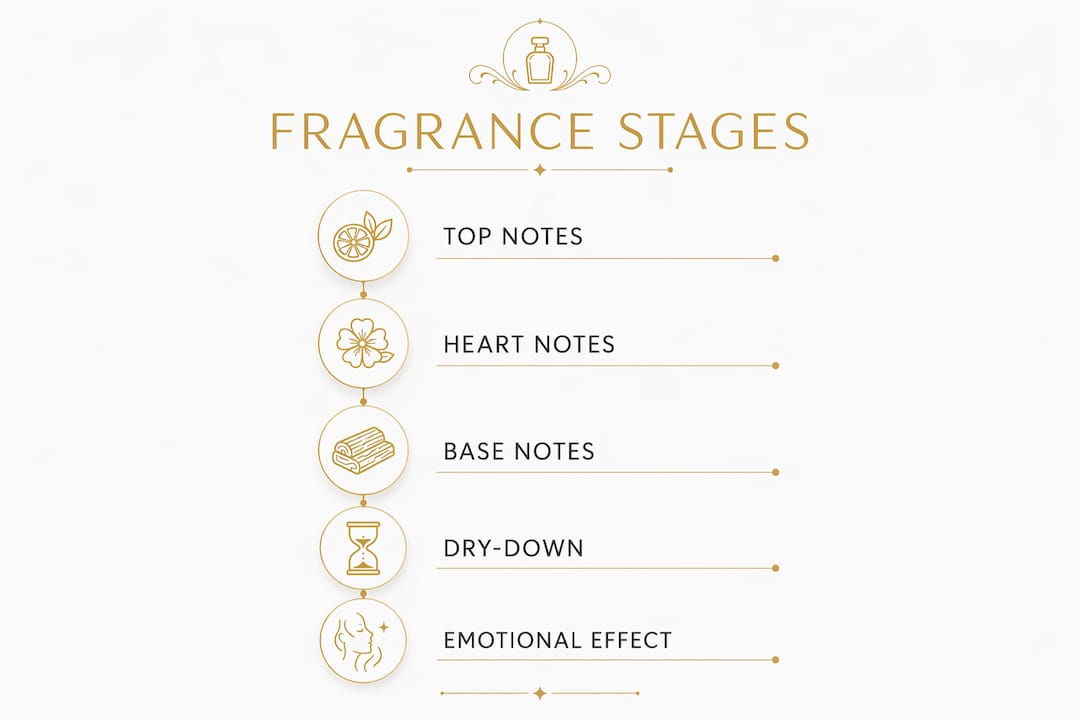
Fragrance is not a static thing. Every scent you encounter unfolds in stages, and understanding those stages is what separates a passive smell from a true scent experience. The dynamic nature of scent stages frames a fragrance as a narrative, with a beginning, middle, and end.
| Stage | Duration | Character | Emotional effect |
|---|---|---|---|
| Top notes | First 5–15 minutes | Light, volatile, immediate | First impression, alertness, curiosity |
| Heart notes | 15–60 minutes | Warmer, fuller, more complex | Comfort, connection, emotional depth |
| Base notes | 1–6 hours | Deep, rich, long-lasting | Grounding, calm, lasting mood anchor |
| Dry-down | Final phase | Skin-blended, personal | Intimacy, memory formation |
Top notes are what you smell first. They are the lightest molecules and evaporate quickly. Citrus, green, and aquatic notes typically appear here. Heart notes, also called middle notes, emerge as the top notes fade. Florals, spice, and lemongrass often live in this layer. Base notes are the foundation: woods, vanilla, musk, and earthy blends that linger for hours and do the heaviest emotional lifting.
The dry-down phase is the most personal. At this stage, the fragrance has blended with the ambient temperature and surfaces of a room, creating something unique to that environment. A vanilla and sandalwood base note in a warm South African living room will smell subtly different from the same fragrance in a cool, tiled bathroom. This is why fragrance intensity control matters so much in smaller spaces.
Pro Tip: When testing a new fragrance, wait at least 30 minutes before deciding whether you like it. The top notes you smell first are the least representative of the scent’s true character.
How to create a scent journey with deliberate techniques
Most people smell passively. They notice a fragrance, register it briefly, and move on. A deliberate scent journey requires a different approach entirely.
-
Inhale deeply and hold for 30 seconds. Research from 2026 shows that 30 seconds of focused inhalation produces measurable physiological effects, including a slower heart rate and a calmer nervous system. A quick sniff produces none of these effects. Most people never hold a scent long enough to feel its full impact.
-
Practice scent catching. Scent catching means pausing when you notice an interesting smell and actively investigating it. Where is it coming from? What does it remind you of? Does it shift as you move closer or further away? This technique builds olfactory awareness over time.
-
Try smell hunting. Smell hunting is a structured version of scent catching. Set aside five minutes in a new environment, a garden, a market, a freshly cleaned room, and consciously identify every distinct scent layer present. This trains your brain to process fragrance with more nuance.
-
Rotate fragrances by mood and setting. Aquatic and citrus scents work well for focus and morning energy. Floral and lemongrass blends suit social spaces. Vanilla, earthy, and woody base-heavy fragrances support rest and evening wind-down. Matching scent to context deepens the emotional effect.
-
Avoid assuming universal responses. Smell is highly personal and variable, shaped by genetics, culture, and personal history. A scent that calms one person may trigger discomfort in another. Never impose a fragrance on a shared space without considering the people in it.
Pro Tip: Keep a simple scent journal. Note the fragrance, the setting, and how you felt. After a few weeks, patterns emerge that reveal which scents genuinely support your mood versus which ones you simply like the idea of.
How scent journeys shape ambiance and emotional wellbeing
Scent is a biological tool, not just an aesthetic one. The National Association for Holistic Aromatherapy defines aromatherapy as the use of biologically active fragrance compounds to balance and support body, mind, and spirit. That definition positions scent far beyond masking odors. It frames fragrance as an active participant in how a space feels and functions.
Applied to home and event environments, this means scent journeys can be designed with the same intention as lighting or furniture placement. A well-chosen fragrance profile for a living room does not just smell pleasant. It sets a behavioral and emotional tone for everyone who enters.
- Morning spaces benefit from bright, clean top notes like lemongrass or aquatic blends that signal alertness and fresh starts.
- Work areas respond well to green or woody mid-notes that support focus without distraction.
- Bedrooms and rest spaces need deep base notes, vanilla, sandalwood, or earthy blends, that signal the nervous system to slow down.
- Social and entertaining spaces suit warm florals and spice heart notes that feel welcoming and convivial.
- Entryways carry the first impression of a home. A single, well-chosen reed diffuser here sets the emotional tone before a guest has seen anything else.
For larger homes or venues, layering fragrance across zones creates a progression that mirrors the stages of a scent journey itself. Guests move through spaces and experience a shifting emotional atmosphere. Dorianescents covers this approach in depth in its guide on fragrance zones at venues. The same logic applies at home: a different scent profile in each room creates a richer, more intentional living experience. Understanding fragrance in room design is the practical starting point for anyone who wants to use scent with real purpose.
Key takeaways
A scent journey is the most direct sensory tool available for shaping mood, memory, and ambiance because smell connects to the brain’s emotional centers faster than any other sense.
| Point | Details |
|---|---|
| Direct brain access | Scent bypasses the thalamus and reaches the amygdala and hippocampus simultaneously. |
| Fragrance unfolds in stages | Top, heart, and base notes create shifting emotional atmospheres over time. |
| 30 seconds changes everything | Focused inhalation for at least 30 seconds produces real physiological calm. |
| Scent memories form automatically | Emotional anchoring happens through repeated pairing, not conscious intention. |
| Scent responses are personal | Genetics, culture, and history shape individual reactions, so context always matters. |
Why most people never experience a real scent journey
The most common mistake I see is speed. People smell something, decide they like it or they don’t, and move on within three seconds. That is not a scent journey. That is barely an introduction.
The 30-second rule changed how I think about fragrance entirely. When you hold a deep inhale and stay with a scent, you stop reacting and start experiencing. The top notes settle. The heart notes emerge. Your nervous system actually responds. Most people have never felt that shift because they have never stayed long enough for it to happen.
The other thing I think gets underestimated is how personal scent truly is. There is a tendency to treat fragrance as universal, to assume that lavender calms everyone or that citrus energizes everyone. The science does not support that. Smell is shaped by personal history and culture in ways that make every scent journey genuinely unique. That is not a limitation. It is what makes the experience worth having.
Deliberate smelling, what Kate McLean-MacKenzie calls a “mini protest” against sensory neglect, is one of the simplest ways to reclaim presence in a distracted world. You do not need a special setting or an expensive product. You need 30 seconds and the willingness to actually pay attention. Start there.
— Steel
Handcrafted fragrances designed for the full scent experience
Dorianescents creates premium reed diffusers built around the full arc of a scent journey, from the first bright top note to the deep, lingering base that anchors a room’s mood for hours.
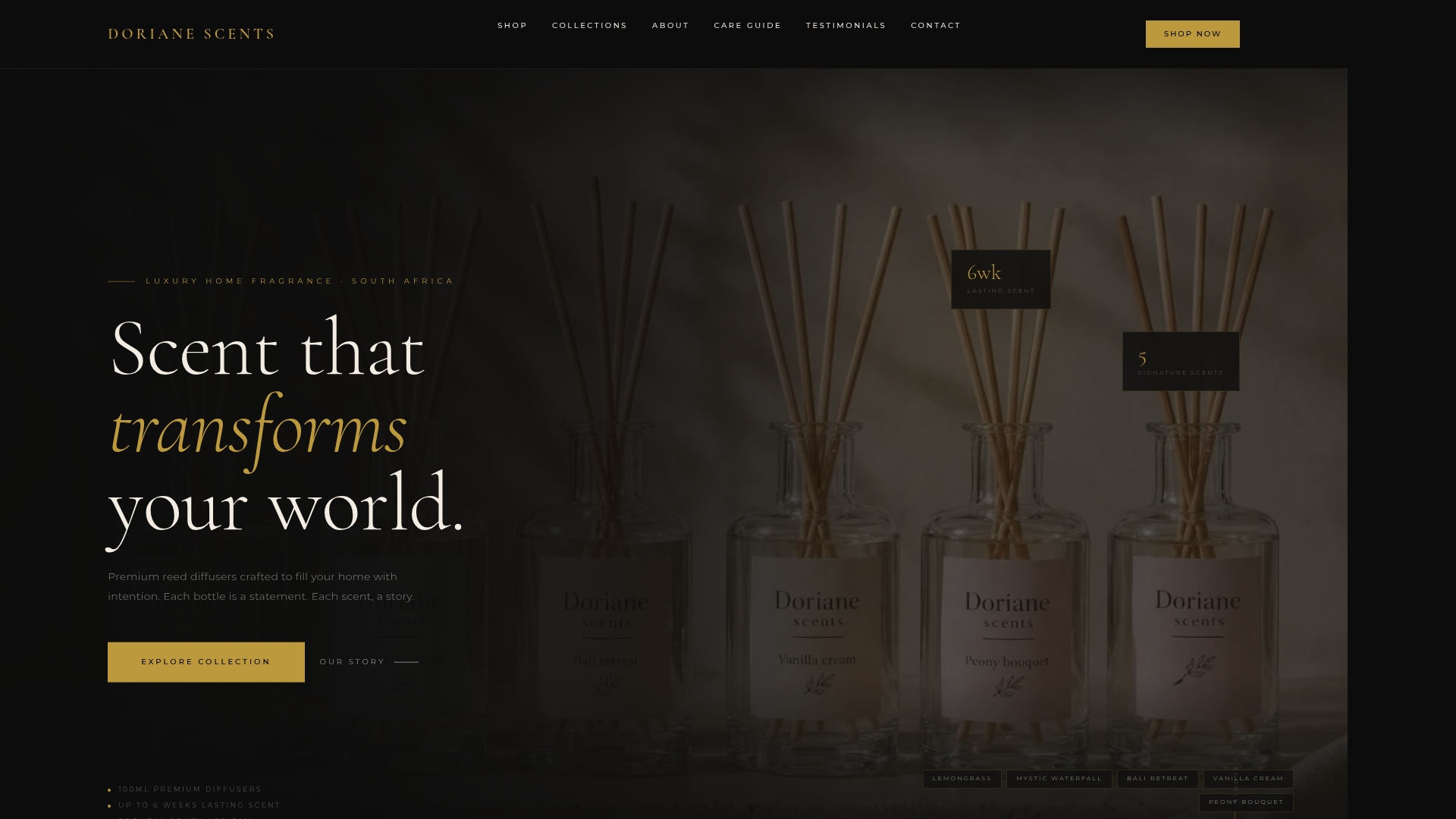
Each fragrance profile, whether vanilla, lemongrass, aquatic, floral, or earthy, is chosen to deliver a specific emotional and atmospheric effect, not just a pleasant smell. The craftsmanship behind every product reflects a commitment to intentional living rather than generic home scenting. If you want to understand why artisan fragrance performs differently from mass-market alternatives, the Dorianescents guide on handcrafted fragrance value explains the difference clearly. To begin your own scent experience, browse the full collection and find the fragrance profile that matches the ambiance you want to create.
FAQ
What is a scent journey in simple terms?
A scent journey is an intentional experience where you engage with fragrance deliberately to evoke memories, shift your mood, or shape the atmosphere of a space. It differs from passively noticing a smell because it involves conscious attention and time.
How long does a scent journey take?
A meaningful scent journey begins with at least 30 seconds of focused inhalation. The full emotional arc of a fragrance, from top to base notes, unfolds over one to six hours depending on the scent’s composition.
What is aromatherapy and how does it relate to scent journeys?
Aromatherapy is the intentional use of biologically active fragrance compounds to support physical and emotional wellbeing. A scent journey applies the same principle by using fragrance deliberately to influence mood and ambiance rather than simply masking odors.
Why do certain smells trigger such strong memories?
Scent signals connect directly to the amygdala and hippocampus, the brain’s centers for emotion and memory, without passing through the thalamus first. This direct route makes scent-triggered memories unusually vivid and emotionally charged.
Can any fragrance work for a scent journey?
Any fragrance can serve as a starting point, but complex, multi-note fragrances with distinct top, heart, and base stages create richer experiences. Individual responses also vary based on personal history and genetics, so the most effective fragrance is the one that resonates with you specifically.